Inside the $88M Hernia Mesh Verdict: How Covidien’s Symbotex Mesh Failed Patients
Video Analysis • Verdict Date: August 4, 2026 • Patterson v. Covidien LP (MDL No. 3029)Watch trial attorney and registered nurse Brett Vaughn analyze the mechanical and biological failure points of the Symbotex mesh, or view it on YouTube.
- The Verdict: A federal jury in Boston awarded $88 million in compensatory damages ($77 million to plaintiff Larry Patterson and $11 million to his wife, Tammy Patterson) against Medtronic subsidiary Covidien in the first federal bellwether trial (Patterson v. Covidien LP et al., MDL No. 3029).
- The Core Liability: Covidien was found liable for negligent failure to warn, misrepresentation, and concealment regarding its Symbotex Composite Mesh.
- The Defect (“7 Is Not 30”): Covidien marketed the device’s bioresorbable collagen film as providing 30 days of anatomical barrier protection. Company internal documents and testimony from the coating’s inventors revealed that the barrier eroded and failed in as few as seven days.
- The Consequence: Premature dissolution left bare, abrasive polyester textile in direct contact with visceral organs, causing dense intestinal adhesions, bowel obstruction, emergency resection, and recurrent tissue breakdown.
- Current Status: Despite these trial findings, Covidien Symbotex remains on the market today.
Following an $88 million jury verdict against medical device manufacturer Covidien, a subsidiary of Medtronic, Nigh Goldenberg Raso & Vaughn founding partner Brett Vaughn, RN, BSN, JD, delivered an in-depth breakdown of the trial record, internal corporate documents, and medical evidence at the heart of the litigation.
The historic award was rendered on August 4, 2026, in the U.S. District Court for the District of Massachusetts before Chief Judge Patti B. Saris. Serving as the inaugural federal bellwether trial in the consolidated multidistrict litigation (In re: Covidien Hernia Mesh Products Liability Litigation No. II, MDL No. 3029), Patterson v. Covidien LP tested the safety representations surrounding the Covidien Symbotex Composite Mesh.
The jury awarded $77 million to Larry Patterson and $11 million to his wife, Tammy Patterson, for loss of consortium. Despite this substantial liability finding, Symbotex composite mesh remains actively marketed and implanted in operating rooms nationwide.
What Is Symbotex Composite Mesh?
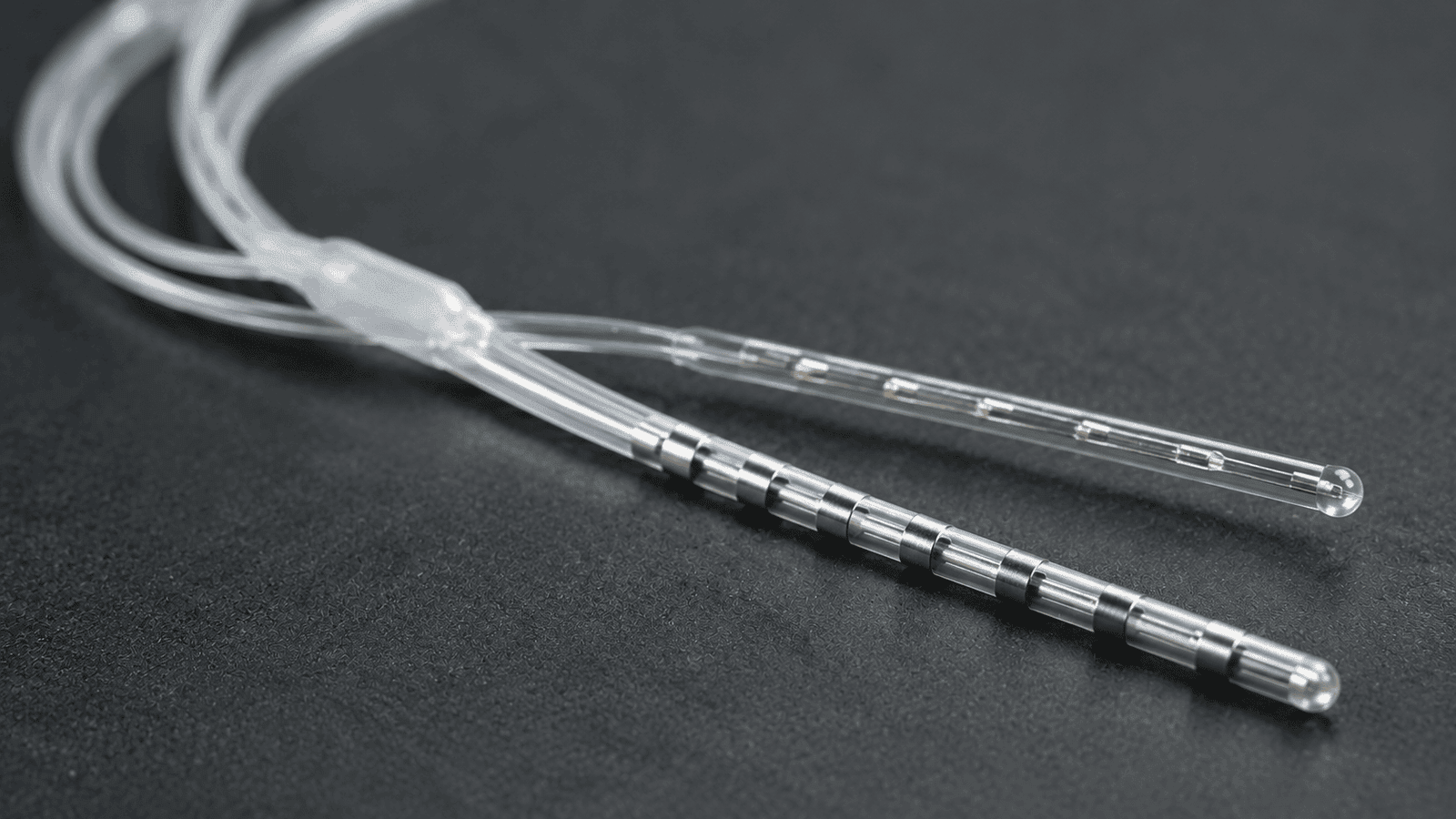
Symbotex is an implantable surgical prosthetic designed for ventral and incisional hernia repair. Manufactured by Covidien, it is classified as a dual-sided composite mesh constructed from two distinct components:
- A permanent polyester textile base: Unlike traditional polypropylene implants evaluated in FDA surgical mesh safety communications, Symbotex utilizes a woven polyester (polyethylene terephthalate) textile base. Medical literature published in the National Institutes of Health library confirms that polyester undergoes long-term in vivo degradation through oxidation and hydrolysis. This chemical breakdown is triggered by prolonged exposure to moisture in human tissue, provoking a severe, chronic foreign body inflammatory response.
- A bioresorbable porcine collagen barrier: The visceral-facing side of the mesh features a thin collagen film derived from porcine tissue. This layer was engineered to act as a physical shield, isolating internal organs from the abrasive polyester weave.
In intraperitoneal ventral hernia repairs, surgeons place the mesh in close proximity to the peritoneum, the natural serous membrane lining the abdominal cavity and protecting the gastrointestinal tract. Clinical studies on peritoneal remesothelialization indicate that regenerating this delicate tissue layer requires substantial time, particularly in surgical fields compromised by foreign-body inflammation.
An effective, durable barrier is essential to prevent the bowel from attaching directly to the synthetic textile while the body attempts to heal.
The Core Defect: “7 Is Not the Same as 30”
The cornerstone of the plaintiffs’ liability case was Covidien’s representations to the surgical community. In marketing brochures, clinical guides, and direct representations by sales representatives in hospital operating rooms, Covidien represented that the collagen coating provided 30 days of anatomical protection.
This representation aligned with the fine print of the device’s official Instructions for Use (IFU), which advised surgeons that the collagen film resorbs in approximately one month.
Discovery records and sworn courtroom testimony unraveled those assertions:
- Internal Testing Contradicted the IFU: Covidien’s internal laboratory testing revealed that the collagen barrier degraded far faster than disclosed.
- The Inventors’ Sworn Admissions: The original inventors of the collagen film confirmed under oath that the protective barrier was substantially degraded, non-continuous, and functionally useless by Day 7.
- The Healing Gap: Natural peritoneal regeneration requires multiple weeks to complete. Under the influence of polyester-induced inflammation, mesothelial closure is delayed even further. By dissolving at Day 7, the barrier disappeared weeks before the patient’s own anatomy could form a protective cellular shield.
- The Learned Intermediary’s Testimony: Under the learned intermediary doctrine, manufacturers are legally obligated to warn implanting surgeons of non-obvious risks. At trial, Mr. Patterson’s implanting surgeon testified directly that had Covidien disclosed that the protective film degraded in seven days rather than 30, he never would have selected or implanted the Symbotex mesh.
With the collagen shield vanishing prematurely, visceral organs were left exposed to bare, abrasive polyester fibers during the peak phase of postoperative wound healing.
Catastrophic Patient Injuries: The Medical Aftermath in Patterson
The rapid loss of the collagen barrier caused the plaintiff’s bowel to adhere directly into the raw polyester knit. The medical trajectory presented to the jury demonstrated catastrophic physical trauma:
- Dense Visceral Adhesions and Partial Bowel Resection. The bare polyester triggered aggressive fibroblastic ingrowth. The small intestine became cemented to the mesh weave, creating a high-grade mechanical obstruction. Surgeons were forced to perform an emergency partial bowel resection to cut away gangrenous and entangled intestine.
- Incomplete Mesh Removal. Because the polyester textile incorporates aggressively into surrounding anatomy, the surgical team could not safely excise all of the synthetic fibers. Attempting to peel the remaining mesh from visceral vascular structures would have inflicted fatal hemorrhaging or enterocutaneous fistulas. Significant foreign material had to be abandoned inside the patient.
- Full Abdominal Wound Dehiscence. Discharged during the onset of the 2020 COVID-19 pandemic, Mr. Patterson suffered complete abdominal wound dehiscence. His primary surgical incision ruptured open at home, leaving his internal abdominal cavity exposed.
- Emergency Revision Surgery While Awake. Rushed to the hospital under critical conditions, the patient underwent surgical debridement and abdominal washouts without general anesthesia due to acute systemic risk factors. He remained fully conscious of his open abdominal defect throughout the procedure.
- Prolonged Negative Pressure Therapy and Foreign Body Extrusion. To manage the massive open wound and secondary bacterial colonization, physicians placed the patient on continuous negative pressure wound therapy (wound VAC). Over several years, fragments of the degrading, retained polyester mesh migrated and extruded outward through the granulating abdominal defect.
- Repeat Adhesions to Mesh. Six years after the initial resection, pre-trial CT imaging and expert surgical review confirmed that the retained polyester mesh had adhered to his intestines once again. Expert surgeons testified that lasting clinical recovery is impossible while polyester remains in the abdomen, leaving Mr. Patterson facing at least two additional high-risk revision surgeries.
Why Symbotex Remains on the Market
Federal clearance under the FDA 510(k) framework permits medical device manufacturers to market class II implants by demonstrating “substantial equivalence” to preexisting predicate devices, frequently without requiring prospective human clinical trials.
Despite sworn admissions that the Symbotex collagen film dissolves in a fraction of its advertised timeframe, Medtronic and Covidien have not issued a voluntary recall or modified the commercial status of the mesh.
For patients scheduled for hernia surgery: These findings call for an active conversation with your surgeon. Ask about the specific composition of any planned prosthetic, and verify whether the device pairs a permanent synthetic mesh with an absorbable anti-adhesion coating.
Legal Recourse for Victims of Defective Hernia Mesh
The $88 million verdict in Patterson establishes a powerful legal benchmark for ongoing Covidien hernia mesh litigation. Thousands of claims remain pending across state and federal courts alleging similar failure mechanisms across Covidien’s composite product lines, including Symbotex, Parietex, and ProGrip.
To establish a viable product liability claim, attorneys evaluate specific medical and chronological criteria:
- Documented Product Identification: Operative notes, implant product stickers, and hospital purchasing records must confirm the use of a Covidien composite device.
- Revision Surgery or Documented Failure: Viable claims generally require an operative intervention, such as a revision surgery, partial mesh excision, bowel resection, or repair of a recurrence, documenting that the mesh migrated, adhered, contracted, or caused systemic infection.
- Statute of Limitations: Every state imposes strict statutory deadlines on personal injury and product liability claims, commonly ranging from one to three years from the date the injury was or should have been discovered.
Individuals who suffered bowel obstruction, severe chronic infection, organ perforation, dense adhesions, or revision surgery following hernia repair can have their records reviewed by the defective medical device litigation attorneys at Nigh Goldenberg Raso & Vaughn to determine their legal rights.
Frequently Asked Questions (FAQ)
What was the basis of the $88 million Covidien hernia mesh verdict?
On August 4, 2026, a federal jury in Boston found Covidien LP liable for negligent failure to warn, misrepresentation, and concealment in Patterson v. Covidien LP (MDL No. 3029). The jury determined that Covidien misled physicians by advertising that the Symbotex collagen barrier lasted 30 days, when internal company data proved it degraded in as little as seven days.
Why does Covidien Symbotex mesh cause bowel adhesions?
Symbotex uses a permanent woven polyester base layer. Polyester is a foreign material that causes intense inflammation and tissue ingrowth. When the protective collagen film dissolves prematurely at Day 7, the raw polyester base is left in direct contact with the intestines before the body’s peritoneal membrane can regenerate, causing the bowel to fuse directly to the mesh.
What are the primary symptoms of a failing hernia mesh?
Symptoms of composite hernia mesh failure include:
- Severe, localized abdominal pain or swelling
- Inability to pass gas or bowel movements (signs of bowel obstruction)
- High fevers, chills, and localized heat indicating chronic surgical site infection
- Nausea and recurrent vomiting
- Bulging or palpable masses indicating hernia recurrence or mesh migration
- Non-healing incisions or fluid drainage (fistula formation)
Has Covidien recalled the Symbotex composite mesh?
No. Covidien has not issued a recall for the Symbotex Composite Mesh. The device remains FDA 510(k) cleared and continues to be marketed and implanted in hospitals across the United States.
Who qualifies to file a Covidien hernia mesh lawsuit?
Patients typically qualify if they had a Covidien hernia mesh implanted (such as Symbotex or Parietex) and subsequently underwent a revision surgery, mesh removal, bowel resection, or treatment for dense organ adhesions. Because medical facilities retain surgical records for limited windows (often 7 to 10 years), acquiring operative records promptly is critical.
Injured by a Covidien Hernia Mesh?
If you suffered a bowel obstruction, infection, dense adhesions, or needed revision surgery after hernia repair, our defective medical device attorneys can review your records and explain your legal options.
This content is provided for general informational purposes only and does not constitute legal or medical advice. Viewing it does not create an attorney-client relationship. Case outcomes depend on individual facts, and prior results do not guarantee a similar outcome. Consult your physician regarding any medical concerns.