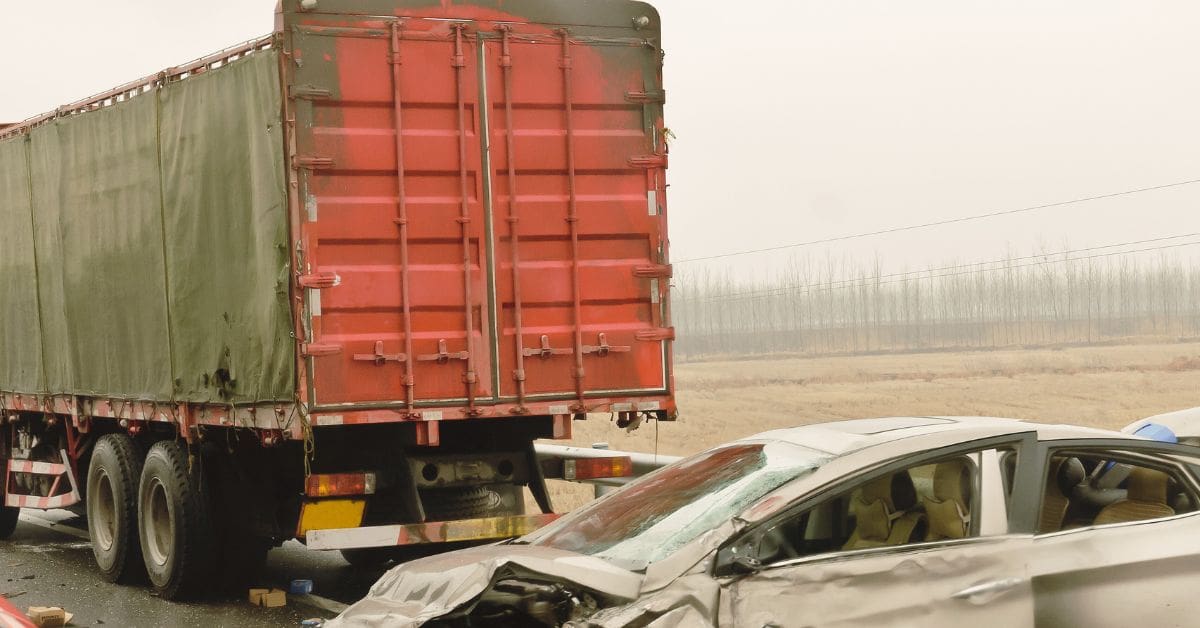
Did the driver or a passenger end up in the back seat after a rear-end collision?
If you or a loved one suffered a catastrophic spinal injury in a rear-end crash that otherwise seemed survivable, the vehicle’s safety system may have failed you. Specifically, the seat back may have collapsed.
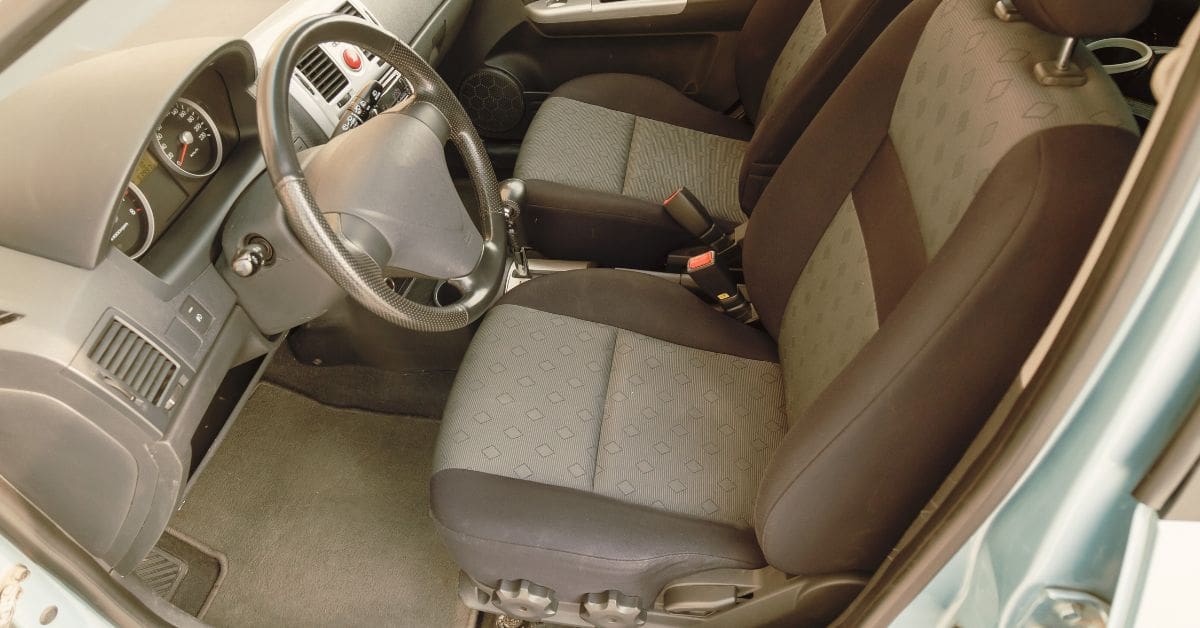
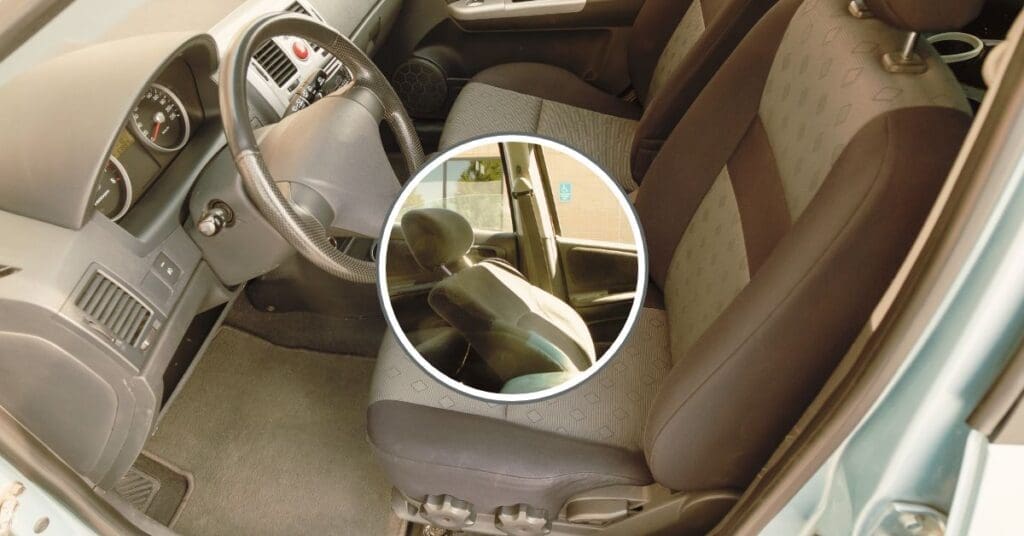
At Nigh Goldenberg, we are investigating cases where defective front seats in fuel-efficient vehicles collapse backward during impact. When this happens, the seat acts as a launchpad rather than a safety device, often resulting in paralysis (quadriplegia or paraplegia) or death.
If you suspect a seat failure caused your injury, do not let the insurance company settle the vehicle loss. We must secure the car immediately before it disappears.
Urgent Safety & Legal Notice
[URGENT NOTICE]
Do Not Let the Insurance Company Take the Vehicle
Stop! If you suspect a seat failure caused a catastrophic injury, the vehicle is your most important piece of evidence. Insurance companies often “total” these cars and send them to salvage yards within days. Once the car is sold or crushed, the evidence of the defect is gone forever. Contact us immediately so we can secure the vehicle before it disappears.
The “35 MPG” Rule: Why Modern Seats Fail
In the push for better fuel economy, auto manufacturers have looked for ways to make vehicles lighter. Unfortunately, in many cases, they have sacrificed structural integrity for gas mileage.
Our legal partners have identified a specific pattern in these defects: vehicles rated at 35 MPG or less are frequently involved in these failures.
To cut weight and costs, some manufacturers use cheaper, weaker steel frames in their seats instead of stronger, hardened materials like boron steel. While this helps the car get better gas mileage, it leaves the seat vulnerable. In a rear-end collision, the force of the occupant’s body against the seat back can snap the reclining mechanism or twist the frame, causing the entire seat to collapse backward instantly.
The Injury: Catastrophic Outcomes in Survivable Crashes
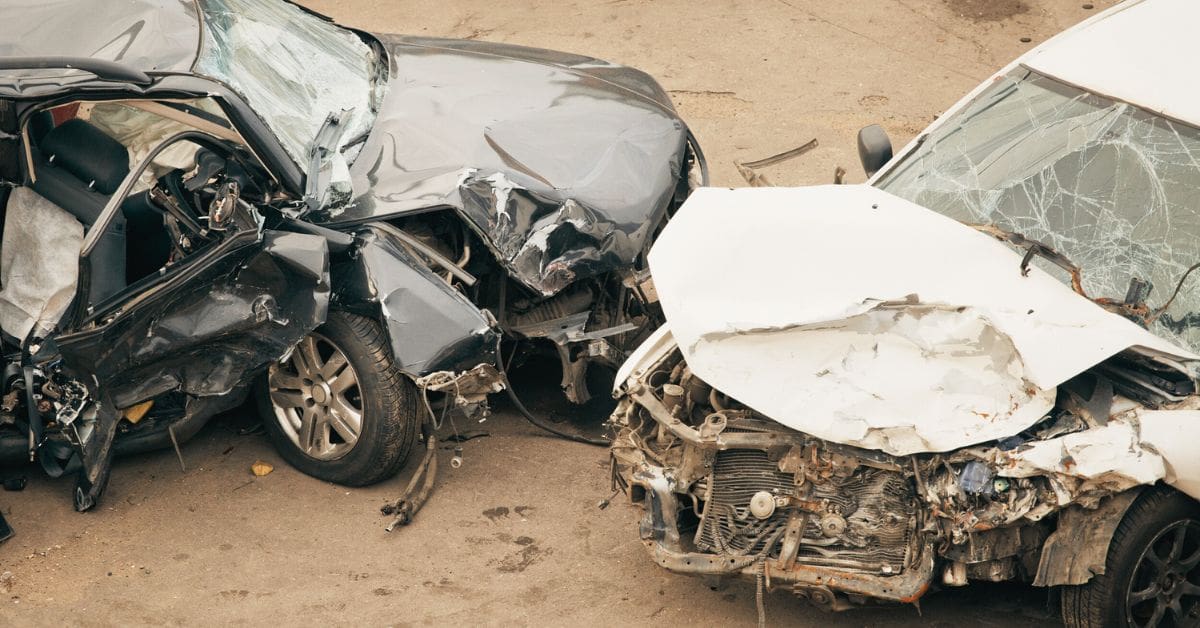
The most telling sign of a seat back defect is a mismatch between the severity of the crash and the severity of the injury. These defects often turn moderate “fender benders” into life-altering tragedies.
When a seat back fails, two distinct tragedy scenarios often occur:
- The Driver/Passenger: As the seat collapses, the occupant slides backward. This can hyperextend the spine, “breaking their back” and leading to permanent paralysis (quadriplegia or paraplegia).
- Rear-Seat Passengers: If a child is sitting behind the defective seat, the collapsing seat—and the driver in it—can be launched directly into the child, causing severe blunt-force trauma or death.
The “Lawn Chair” Standard
You may hear manufacturers argue that their seats met “Federal Safety Standards.” It is important to understand that these federal standards are incredibly outdated and minimal.
Industry experts and litigation tests have demonstrated that the federal standard for seat back strength is so low that even a common lawn chair can pass the test. Just because a seat meets the government minimum does not mean it is safe, nor does it mean it isn’t defective.
Common Myths About Seat Failure
If you are considering whether you have a claim, do not let these common misconceptions stop you:
- “I was wearing my seatbelt, so I should have been safe.”
In a seat back failure, the seatbelt often becomes useless. If the seat falls flat backward, the seatbelt anchor moves with it, and the occupant can be ejected or thrown around the cabin regardless of whether they were belted. - “The crash wasn’t fast enough to cause this.”
Physics, not just speed, drives these failures. If the torque (leverage) applied to the weak seat frame is just right, the mechanism can snap even at moderate speeds.
Immediate Action Required: We Must Secure the Vehicle
This is the most critical step. In auto defect cases, the vehicle is the evidence.
Insurance companies often move quickly to total these cars and sell them to salvage yards or auctions. Cars can disappear in a matter of days. Once the car is sold or repaired, the evidence of the defective seat mechanism is gone forever.
Do not worry about identifying the specific mechanical defect yourself. If there was a rear-impact collision and a severe spinal injury or death occurred, that is enough reason to investigate.
Contact Us Immediately
If you or a family member suffered paralysis or a severe back injury in a rear-end collision, contact Nigh Goldenberg today. We will act immediately to stop the insurance company from destroying the vehicle and bring in engineering experts to inspect the seat failure.